Summer storms don’t send a calendar invite. One afternoon the sky darkens, the wind picks up, and suddenly your gutters are being tested by a downpour they haven’t faced since last fall. If they’re not up to the job, the damage doesn’t stay outside - it works its way into your foundation, your siding, and eventually your basement. Catching gutter problems before storm season hits hard is one of the simplest ways to avoid a much bigger repair bill.
1. Water Spilling Over the Sides
Water over the edge means the channel is blocked or the run has lost its pitch, and both problems get worse with the next storm. Either way the gutter is no longer moving water to the downspout, and the overflow is landing on the ground where the foundation sits.
This is the one most homeowners notice first. During a steady rain, water should flow through the downspouts - not cascade over the edges like a waterfall. Overflow usually means one thing: clogs. Leaves, twigs, pine needles, and even wind-blown debris from last season can create a dam inside your gutters. But it can also signal a slope problem - gutters that were installed slightly off-level years ago and have since settled further out of position. Either way, overflow is your first warning that water isn’t going where it’s supposed to.
2. Sagging or Pulling Away from the House
Sag means the run has lost its support or gained too much weight, and usually both happen at once. Loose fasteners, debris load and rotting fascia all produce it, and once water gets behind the gutter the wood behind it starts to go.
Gutters should run in a clean, straight line along the roofline. If you can see a dip or a gap from the curb, something’s wrong. Sagging happens when fasteners loosen over time, when the weight of trapped debris pulls the gutter downward, or when fascia boards behind the gutters begin to rot. Once water gets behind the gutter, it starts eating away at the wood - and that’s when a simple gutter fix turns into a fascia replacement job. A quick check: stand back and sight down the gutter line. If it looks like a smile instead of a straight edge, you’ve got sag. Don’t wait for a storm to finish the job gravity started.
3. Visible Rust, Cracks, or Separated Seams
Seams and rust spots are where a system fails first. Expansion and contraction open the joints a little each year, and a rust spot says water has been standing in that channel long enough to start eating through the metal.
Older gutter systems - especially sectional ones - develop weak points at every seam. Over years of heating and cooling, expansion and contraction, the seams can separate just enough to let water drip through. Rust spots are another tell: they mean water is sitting somewhere it shouldn’t be, slowly eating through the metal. Even small cracks can widen under the weight of a heavy summer downpour. Walk your gutter line on a dry day and look for discoloration, flaking metal, or gaps at the joints. If you see them, the clock is ticking.
4. Water Pooling Near Your Foundation
Pooling within a few feet of the wall is the expensive one. It means downspouts are clogged or discharging too close, and the soil is taking water that should have been carried four to six feet clear of the foundation.
This is the one that gets expensive. When gutters can’t channel water far enough from the house - or when downspouts are clogged - rainwater drops straight down along the foundation wall. The soil swells, hydrostatic pressure builds, and cracks form. Once water finds a path into your basement or crawlspace, you’re no longer dealing with a gutter problem; you’re dealing with a foundation problem. As we covered in our article on how gutter guards protect your foundation, properly functioning gutters and downspouts should carry water at least four to six feet from the foundation. If you’re seeing puddles after a storm, your system isn’t doing its job.
If growth has returned for a second season, the debris is not clearing itself; have a Dealer check the whole run.
5. Plants Growing Where They Shouldn’t
Something green in the gutter line means debris has been there long enough to become soil. Seeds arrive on wind and in bird droppings, they germinate in the packed litter, and the plant is proof that water has stopped moving through that run.
If something green is sprouting from your gutter line, you’ve got more than a clog - you’ve got a miniature ecosystem. Seeds carried by wind and birds settle in the debris trapped in your gutters, and with enough moisture and sunlight, they germinate. It’s a clear sign that debris has been sitting long enough to turn into soil, and that water isn’t flowing through. A gutter system that can support plant life can’t support your roof drainage. Clean them out, then think about why they got that way in the first place - and what might keep them from filling up again.
Prevention Costs Less Than Repair
The five signs share one cause, and cleaning treats the symptom rather than the cause. Water damage claims average more than $11,000, while a guard that keeps debris out of the channel removes the conditions that produce all five in the first place.
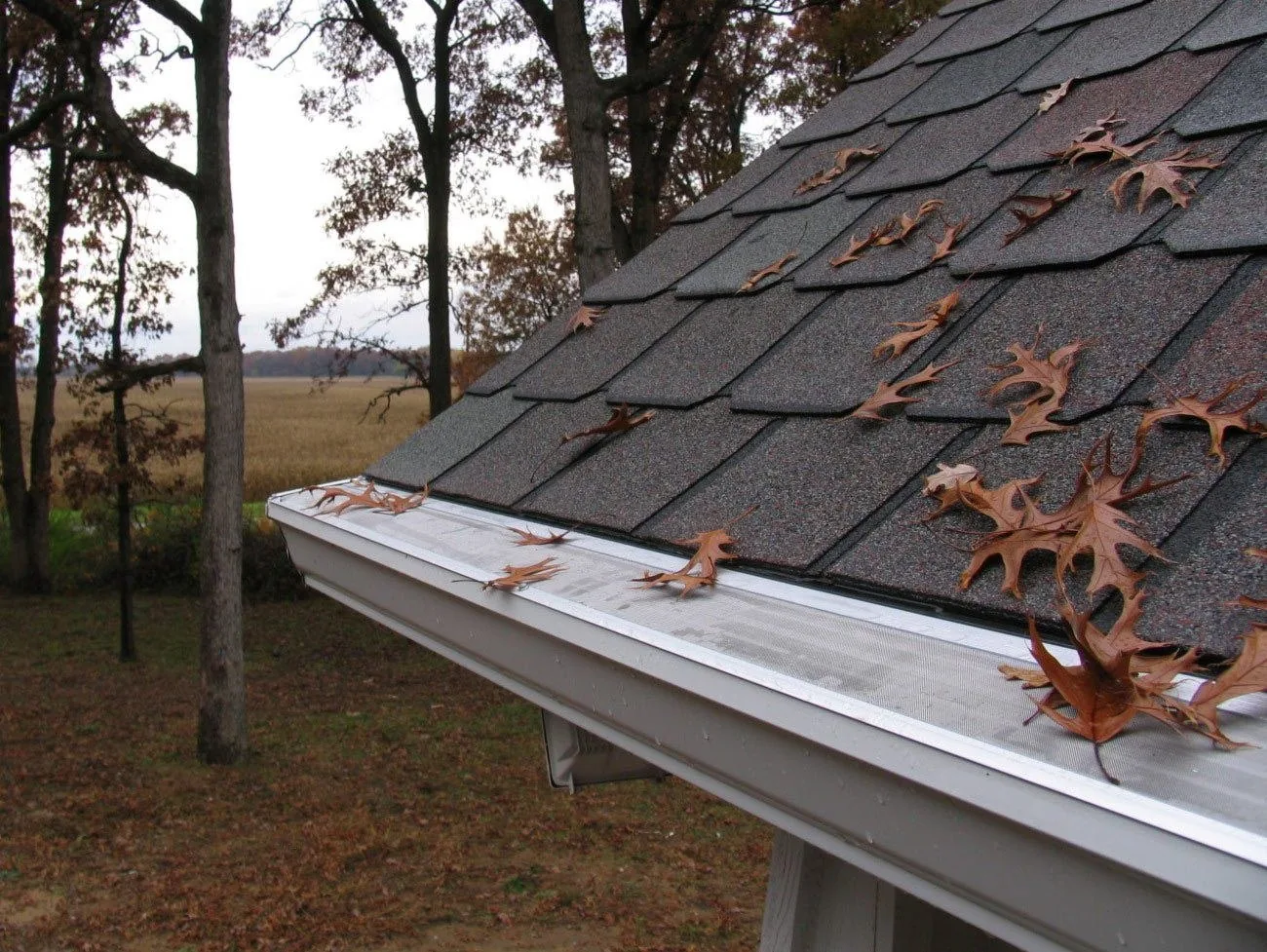
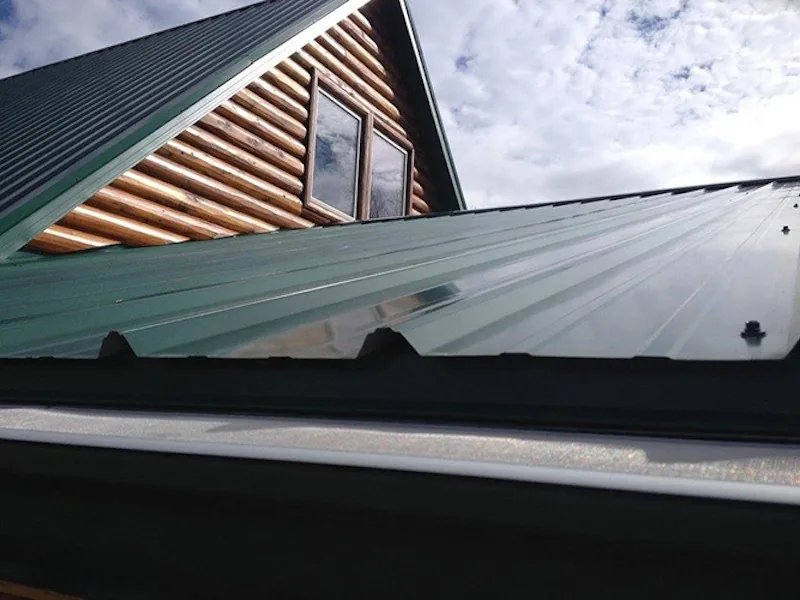
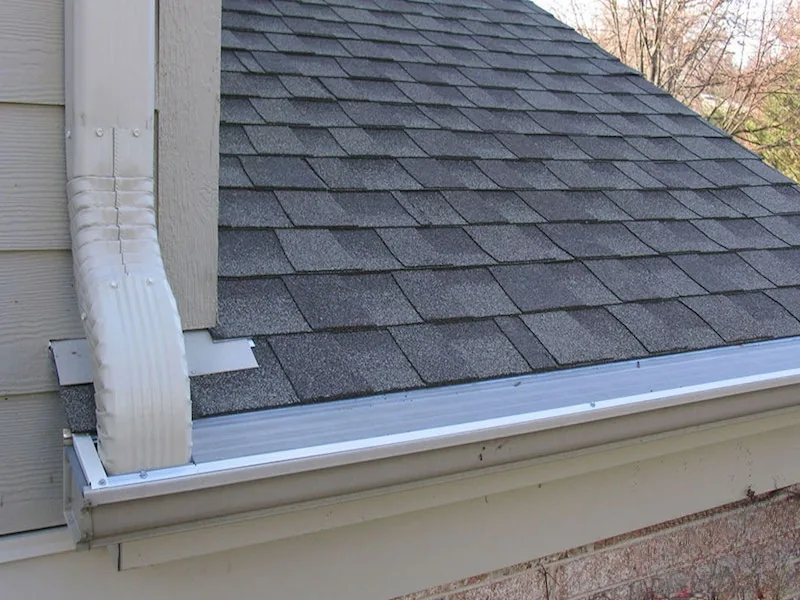
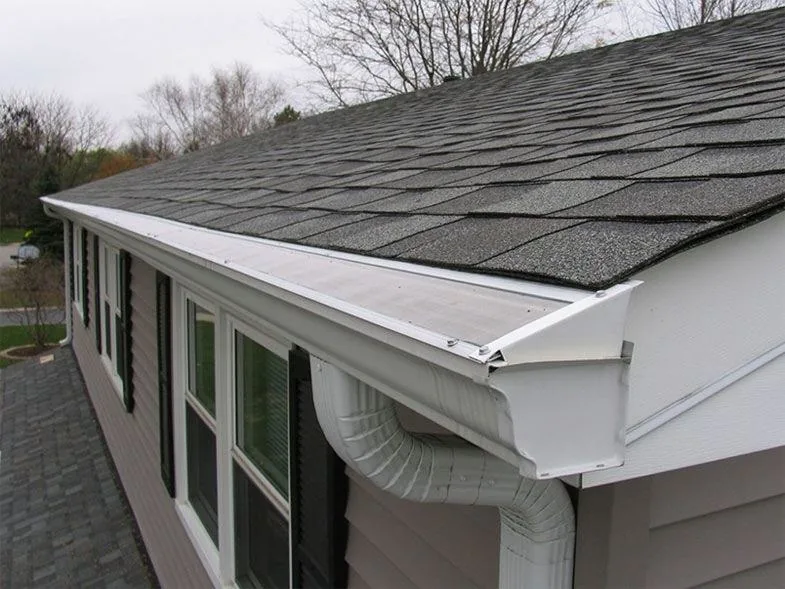
All five of these warning signs share the same root cause: gutters that aren’t being protected from the debris that clogs them. Regular cleaning helps, but it’s a temporary fix - the next storm brings the next load of leaves and needles. That’s why more homeowners are looking at permanent solutions like high-quality gutter guards that fit their budget. The right system keeps debris out while letting water flow freely, which means no more clogs, no more overflow, and no more seasonal scramble to clear the gutters before the next big storm.
According to the Insurance Information Institute, water damage is one of the most common and costly homeowners insurance claims, with the average claim exceeding $11,000. Many of these claims start with something as simple as a backed-up gutter that overflowed into the foundation. You can read more about protecting your home in this water damage prevention guide from the Insurance Information Institute.
And if your gutters are already showing multiple signs of wear - sagging AND rust AND overflow - it might be time to think about a full gutter and roof assessment. Replacing failing gutters before they cause structural damage is always cheaper than repairing what the water destroys after they fail.
The National Weather Service recommends inspecting your home drainage systems before peak storm months. A fifteen-minute walkaround this weekend could save you thousands in foundation repairs down the road.
Take a walk around your house this weekend. Look up at the gutter line. If you see any of these five signs, don’t wait for the next storm to tell you what you already know.
Ready to stop gutter trouble before the next storm?