Most homeowners think of clogged gutters as a water problem — and they are. Standing water trapped in debris-filled gutters creates a five-star habitat for pests of every variety. Mosquitoes breed in the water. Rodents nest in the debris. Birds build homes in the tangled mess. What starts as a simple gutter cleaning task you’ve been putting off can quickly become a full-scale infestation that threatens your home’s structure and your family’s health.
Mosquitoes: Half an Inch Is All They Need
Mosquitoes need just half an inch of standing water to complete their breeding cycle — and that cycle takes only seven to ten days from egg to adult. A single clogged gutter can produce thousands of mosquitoes over the course of a summer, turning your backyard into a no-go zone. Unlike ponds or birdbaths that you can actively manage, gutter water sits hidden above eye level — out of sight and, for most homeowners, out of mind. By the time you notice the mosquito problem, multiple generations have already hatched.
Beyond the annoyance factor, mosquitoes carry serious health risks. West Nile virus, Eastern equine encephalitis, and other mosquito-borne illnesses are on the rise across the United States. According to the CDC, eliminating standing water around your home is the single most effective mosquito control measure a homeowner can take — and gutters are one of the most commonly overlooked sources of standing water on residential properties. If you’re not checking your gutter line regularly during mosquito season, you’re effectively running an uncontrolled breeding operation.
Rodents: A Highway to Your Attic
Mice, rats, and squirrels don’t need much of an invitation. Clogged gutters provide both cover and a convenient pathway along your roofline. Once rodents establish themselves in your gutter debris, finding their way into your attic is often a matter of chewing through a soffit vent or squeezing through a gap in the fascia board. The damage they cause extends well beyond the gutter itself — gnawed electrical wiring creates fire hazards, shredded insulation reduces energy efficiency, and droppings contaminate your living space. A single rat can produce up to 2,000 droppings per year, and those droppings can carry hantavirus and other pathogens. Rodent remediation after an infestation routinely costs homeowners $500 to $2,500, and that’s before any structural repairs.
Birds, Wasps, and Insects: Nesting in the Gutter Line
Birds see a debris-packed gutter the same way they see a convenient tree crotch — it’s a sheltered spot to build a nest. Starlings, sparrows, and pigeons are particularly drawn to gutter systems that have accumulated enough leaf litter and twigs to form a solid base. Once a bird establishes a nest in your gutter, removing it becomes a legal complication: many bird species are protected under the Migratory Bird Treaty Act, and active nests with eggs cannot be disturbed. The best approach is prevention — keeping gutters clear so they never look like a nesting site in the first place.
Wasps and hornets present another hazard. Gutter corners and downspout openings provide sheltered cavities for paper wasp nests, which can grow to softball size before anyone notices. And carpenter ants, drawn to moisture-damaged fascia boards behind clogged gutters, tunnel through wood at a pace that rivals termites. Unlike termites, carpenter ants don’t eat wood — but they excavate it to build galleries, and over several seasons that excavation can compromise the structural integrity of your roof edge. If you’re seeing large black ants near your roofline, your gutter system may already be sheltering a colony.
The Gutter Guard Solution: Keep Water Moving, Keep Pests Out
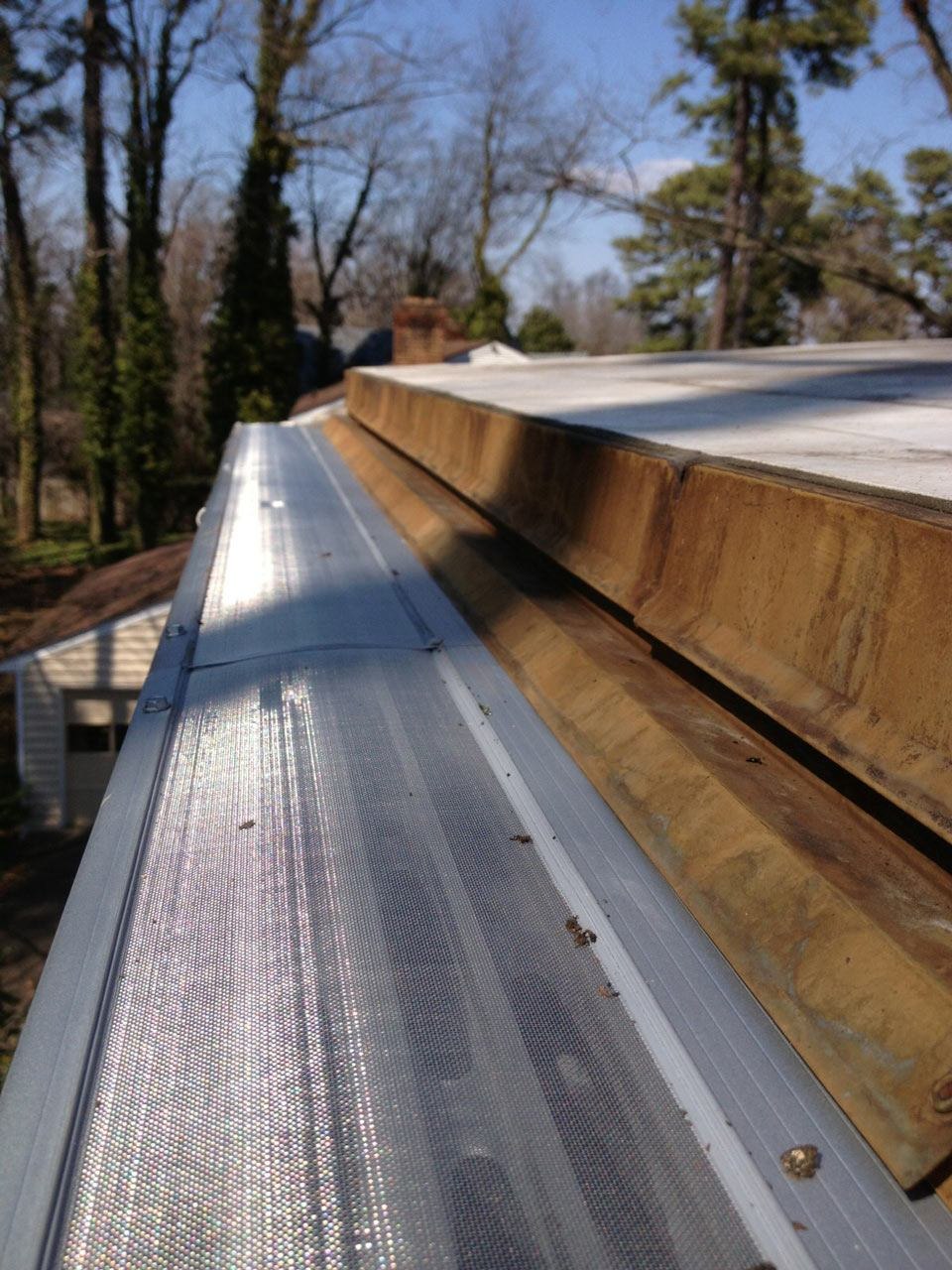
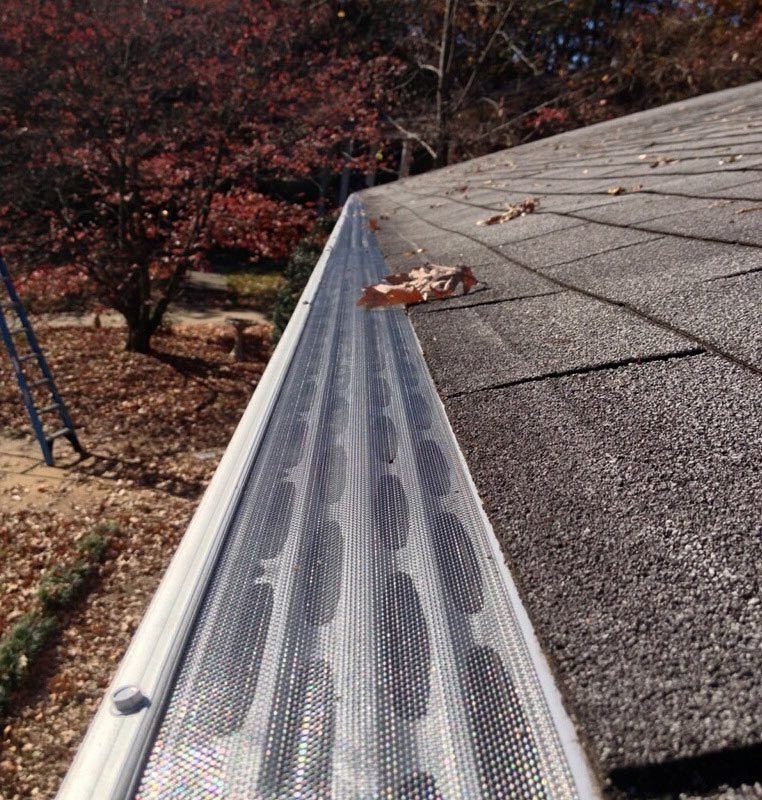
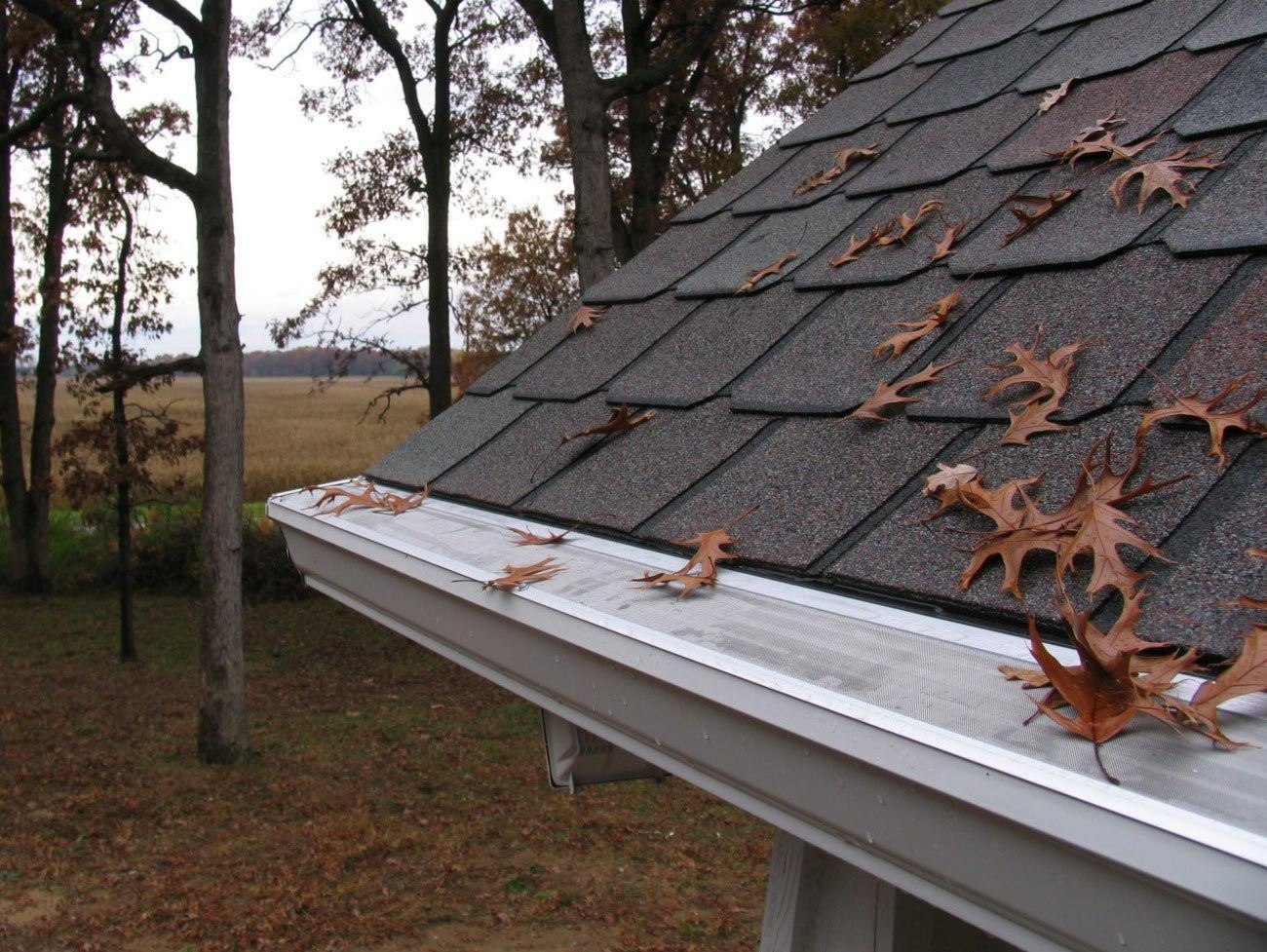
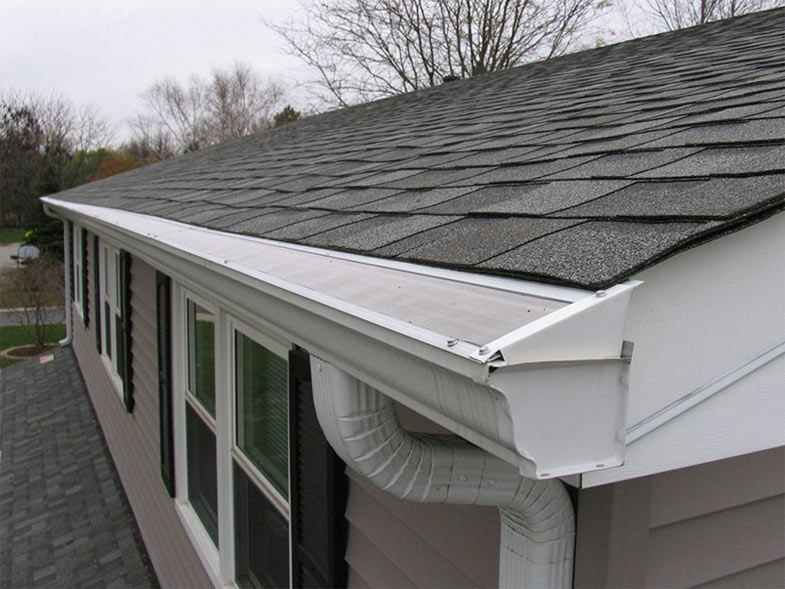
The common thread behind all of these pest problems is debris. When gutters are clean and water flows freely, none of these pests have what they need: mosquitoes have no standing water to breed in, rodents have no cover for their highway, and birds find nothing worth building on. That’s why a properly installed gutter protection system is one of the most effective pest deterrents you can invest in. Quality gutter guards prevent leaves, pine needles, and organic debris from accumulating while allowing rainwater to flow through unrestricted — eliminating the standing water and nesting material that attract pests in the first place. The cost of a gutter guard installation, typically ranging from a few hundred to a few thousand dollars depending on home size, compares favorably to the combined expense of mosquito treatments, rodent remediation, and fascia board repairs — each of which can run into the thousands when the infestation goes unchecked. It’s a case where prevention genuinely costs less than cure, and the cure for a pest infestation that started in your gutters is almost never cheap.
Structural Damage: What Pests Leave Behind
The damage pests cause goes well beyond the nuisance factor. Rodent urine and droppings in attic insulation create biohazard conditions that require professional remediation. Carpenter ant galleries weaken fascia boards and roof-edge framing, creating entry points for moisture that accelerates rot. Bird nests trap additional debris and moisture against the roof edge, compounding the clog problem and adding weight that stresses gutter fasteners. And the standing water that breeds mosquitoes also accelerates rust and corrosion in the gutter channel itself, shortening its lifespan and creating leaks at the seams. What starts as a simple gutter cleaning issue compounds into a multi-system repair bill: gutters, fascia, attic, and in severe cases, interior drywall and insulation. Protecting the gutter line isn’t just about water — it’s about preventing a cascade of damage that starts with pests and ends with a contractor’s invoice that could have been avoided entirely.