An ice dam is a ridge of ice that forms along the lower edge of a roof and stops melting snow from draining away. Water pools behind the ridge, works its way under the shingles, and can leak into the attic, walls and ceiling of the home below.
That is the short answer. The longer one explains why some houses grow an ice dam every winter and the house next door does not, what actually stops it, and where rain gutters, gutter guards and heat cable fit in.
How Ice Dams Form
Three conditions have to line up. First, snow has to sit on the roof. Second, part of the roof deck has to be warm enough to melt the bottom layer of that snow. Third, the lower edge of the roof has to stay below freezing, so the meltwater refreezes before it can leave the roof.
The heat almost always comes from the house, not the sun. A warm attic, a poorly sealed ceiling, recessed lights or an uninsulated hatch all let heat escape into the space under the roof deck, and that heat melts the snow from below. The meltwater runs down the slope under the snow, reaches the eave, which stays cold, and freezes there. The ice builds into a ridge, more meltwater arrives behind it, and the water pools.
That pool is the problem. Standing water finds the joints in the shingles, then the underlayment, then the roof deck. Once it is inside, it soaks insulation, stains drywall and gives mold a place to start, and the damage usually shows up as a ceiling stain weeks later.
Roof shape and orientation decide which houses are hit hardest. A section that faces north, sits in tree shade or covers an unheated porch stays cold all day and freezes meltwater fast, and a roofline with valleys and dormers gives water more places to stall. Deep snow insulates the deck and hides the ice until the first warm spell.
Why the Gutter Is Not the Cause
An ice dam forms at the roof edge, above the rain gutter. The gutter is not what creates it, and cleaning the gutter will not prevent one. That is why so many people spend a Saturday on a ladder and still get the same dam in January.
What a clogged gutter does is make a bad situation worse. Meltwater that reaches the eave still has to get off the roof. If the gutter and downspout are packed with leaves and frozen debris, water backs up at the fascia and refreezes at the edge. A clear channel does not stop the dam, but a blocked one turns it into a soffit and fascia repair.
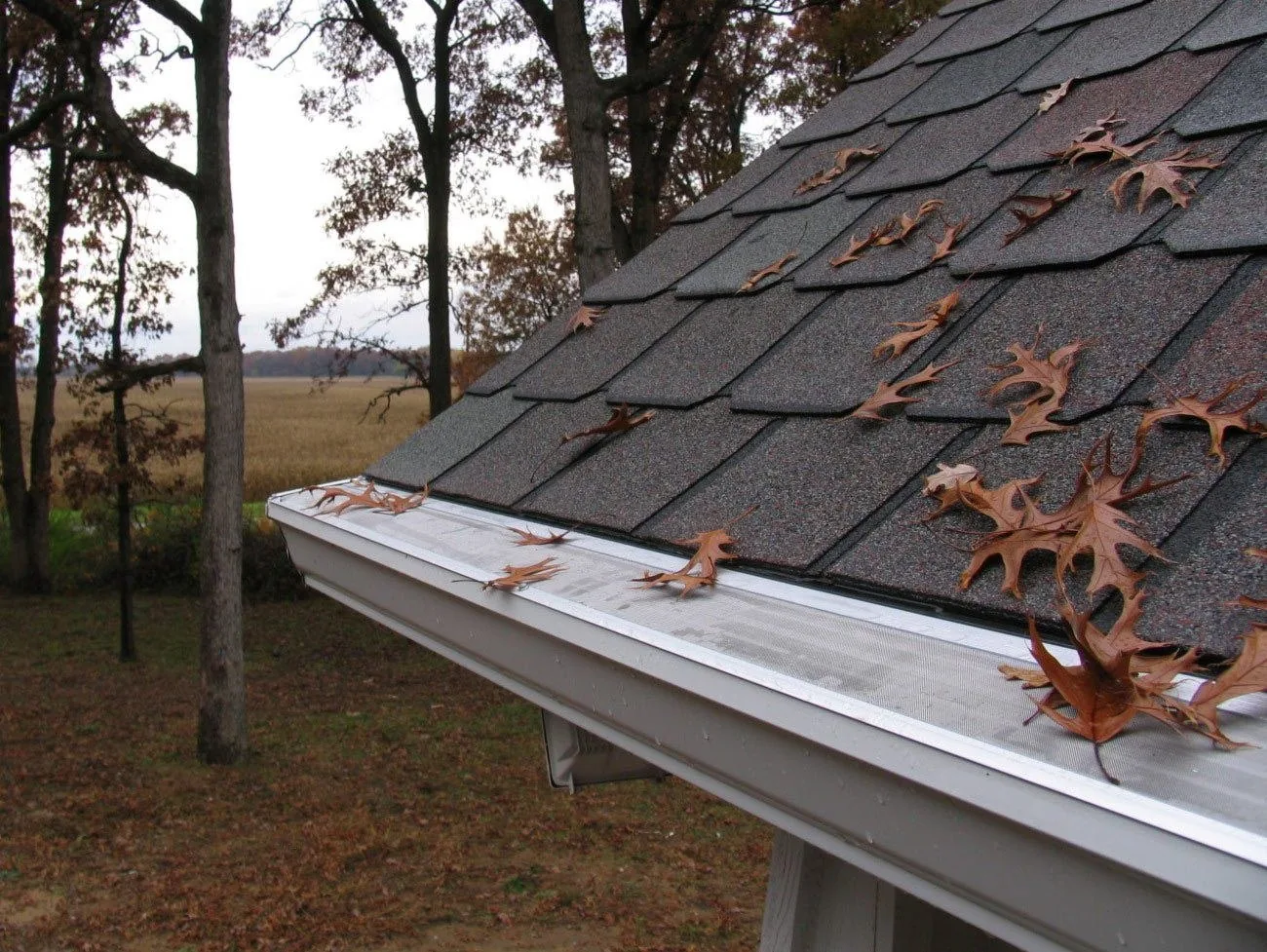
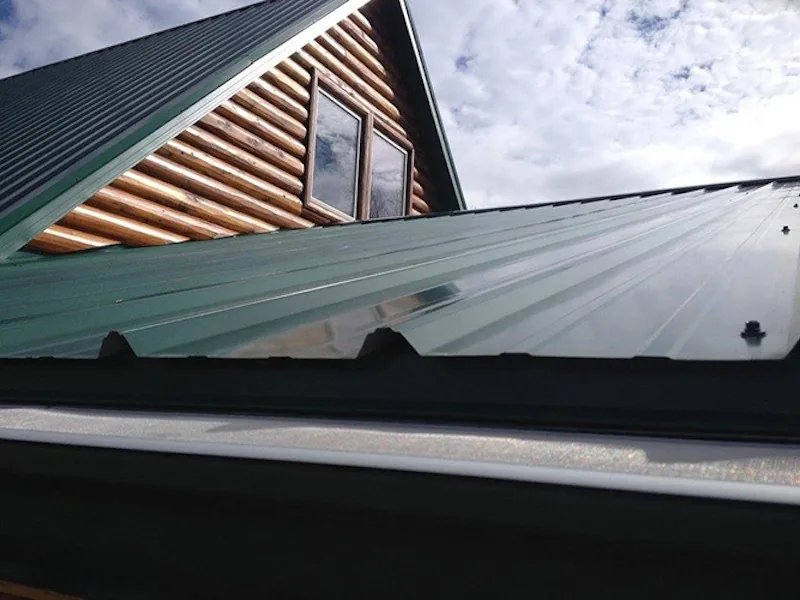
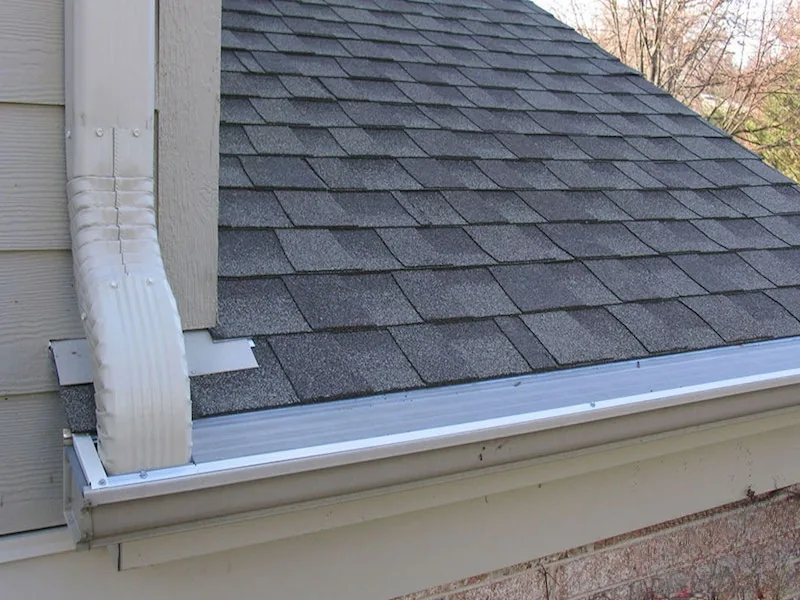
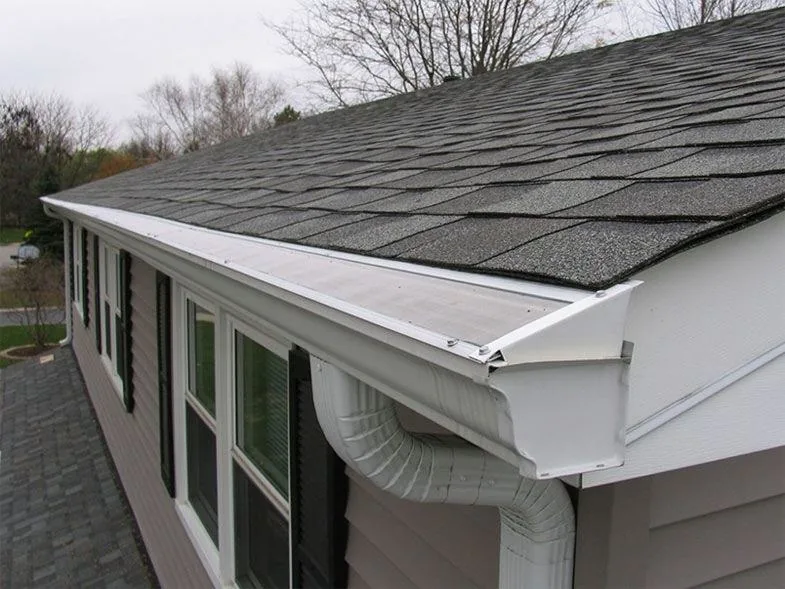
Gutter guards neither cause an ice dam nor settle one. What a well-built guard does is keep the channel open through the debris season so meltwater and spring rain have somewhere to go. That distinction matters when comparing products: a system that holds water or creates a ledge at the roof edge is a liability in a freeze-thaw climate.
What Actually Prevents Ice Dams
The permanent fix is to make the roof deck uniformly cold. That is an insulation, air sealing and ventilation job, and the only approach that treats the cause rather than the symptom.
Seal the leaks first, because warm air moving through a gap carries far more heat than the same area of bare insulation. Attic hatches, chimney chases, plumbing penetrations, bath fan housings and recessed light cans are the usual offenders. Then check depth and coverage, and make sure the insulation is not blocking the soffit vents. The U.S. Department of Energy’s guide to home insulation covers the sequence, and ENERGY STAR’s seal and insulate guidance explains why the two jobs are done together. A roof edge that stays cold is a roof edge where meltwater drains instead of refreezing.
For the snow that stays, use a roof rake from the ground to pull the bottom few feet off the eave after a heavy storm. Do not chip at the ice with an axe or a shovel, and do not walk the roof in winter. Walking breaks shingles, and a fall is far worse than a stained ceiling. If the ice is thick and water is already inside, a professional steam service melts channels through the dam without touching the roofing.
Where Gutter Protection and Heat Cable Fit
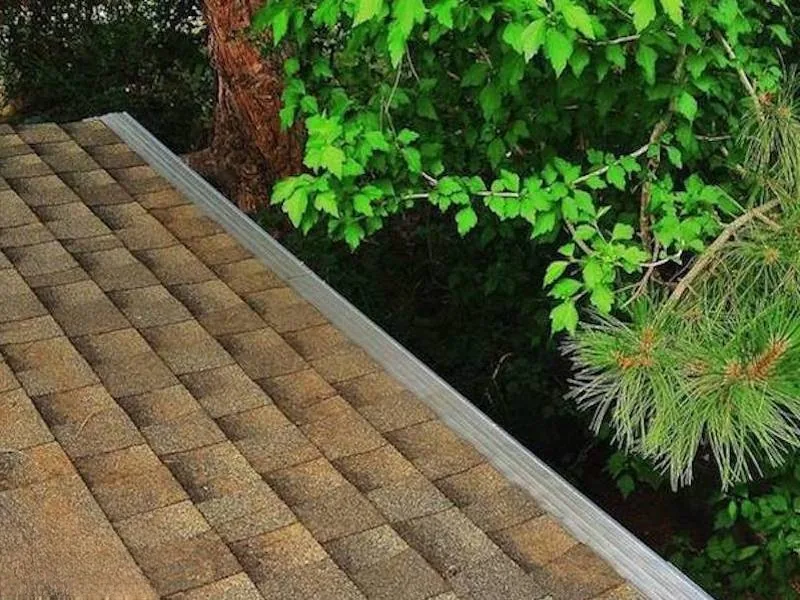
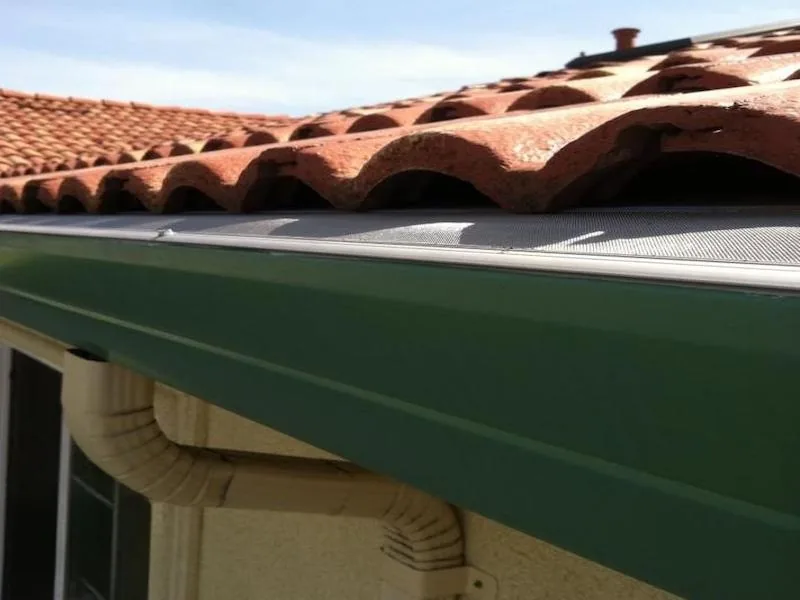
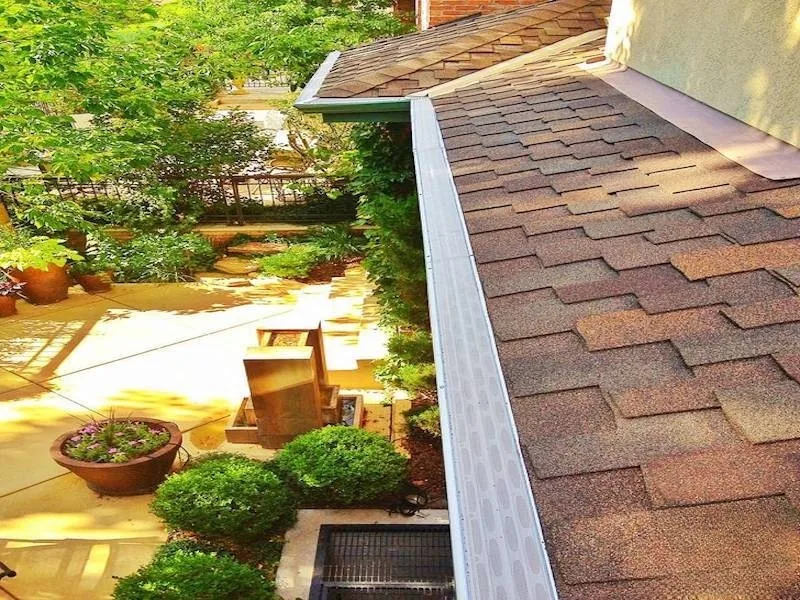
Once the attic side is handled, the roofline still has one job: move water. A guard keeps the rain gutter clear of the leaves, needles and grit that pack the channel by November. In a snow-belt home the payoff comes at the melt, when a large volume of water arrives at once and the gutter either carries it to the downspout or dumps it on the walk.
GutterDome installs two aluminum profiles, both of which hold their shape under snow load because the frame is extruded rather than roll-formed. The GutterDome Magma carries a 40-mesh stainless Micro-Mesh surface for pine needles and seed pods, and the GutterDome Adjustable mounts on the same frame for roofs where the pitch or the fascia calls for it. The full range is on the products page, and the process from first inspection to final walk-through is laid out in what to expect during a gutter guard installation.
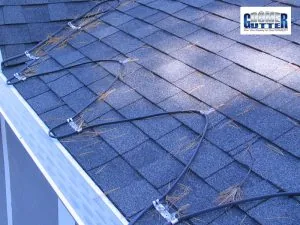
Heat cable is a tool rather than a cure. A cable along the eave, inside the gutter and down the downspout warms a narrow path so meltwater can reach the ground instead of refreezing at the edge. It does not solve an overheated attic, it does not clear a roof, and its running cost shows up on every electric bill. The work also involves line voltage at the roofline, which in most states means a licensed electrician. Our heated gutters page covers the layouts and limits.
What to Do When an Ice Dam Has Already Formed
If the ice is on the roof and the ceiling is still dry, you have time. Clear what you safely can from the ground, keep the downspouts open so the melt has an exit, and watch for the first sign of water inside. A damp patch on the ceiling is the point to call your insurance agent and a roofing professional, not the point to get back on a ladder.
If water is coming in, move anything valuable, put a bucket under the drip, and photograph the damage before repairs begin. Insurance claims are decided on documentation, and the interior repair, the drying equipment and the insulation replacement are the expensive part of an ice dam, not the ice itself.
Why Snow-Belt Markets See This Every Winter
Ice dams are a climate problem before they are a roof problem. They need repeated freeze-thaw cycles, and that is exactly what the snow belt delivers, from the Wasatch Front and the Front Range to the upper Midwest and New England. Homes in Salt Lake City, Denver, Madison, Minneapolis, Green Bay and Boston spend the winter cycling between melting afternoons and hard freezes at night, which is the pattern that builds a dam fastest.
Mountain markets add another factor: sun at altitude melts snow on a south-facing slope while the shaded north slope stays frozen, so the same house can dam on one side and stay clear on the other. Lake-adjacent markets add snow depth, which insulates the deck and hides the ice until it is thick.
The Prevention Checklist Before the First Snow
Each item below can be scheduled in the fall, and each one lowers the odds of a January emergency:
- Seal attic air leaks at hatches, chases, flues and light fixtures.
- Confirm insulation covers the ceiling evenly and does not block the soffit vents.
- Clear the rain gutters and downspouts, or confirm the guards are seated and free-flowing.
- Trim branches that shade the roof and drop debris into the channel.
- Keep a roof rake where you can reach it, and agree in advance who clears the eave.
- Know the warning signs: icicles at the fascia, a ceiling stain, water at the top of a window.
None is expensive on its own. Together they keep the roof deck cold and the meltwater moving, which takes away the two conditions an ice dam needs.
The Bottom Line
An ice dam is a symptom of heat escaping a house and water with nowhere to go. Fix the heat loss and the dam stops forming, then keep the roofline draining so the melt has a path. The aluminum GutterDome systems carry a 30-Year Lifetime Limited Warranty that is automatically transferable one time to the next owner, and an Authorized Dealer can tell you which profile suits your roof and snowfall. For a local assessment before winter, contact us and we will connect you with the Dealer for your area.
Ready to stop fighting ice at the roof edge every January?