Gutter Cleaning in Indianapolis, IN: 105.5 Freeze Nights and a Gutter That Never Drains
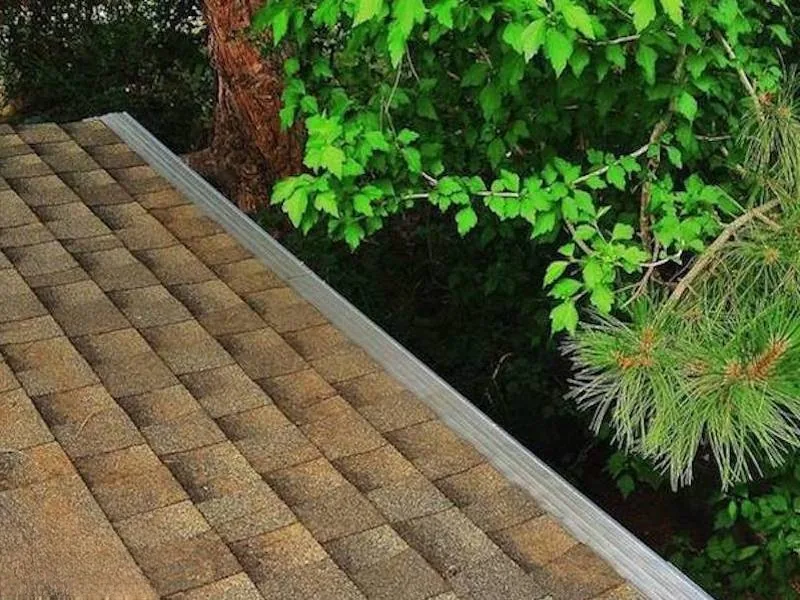
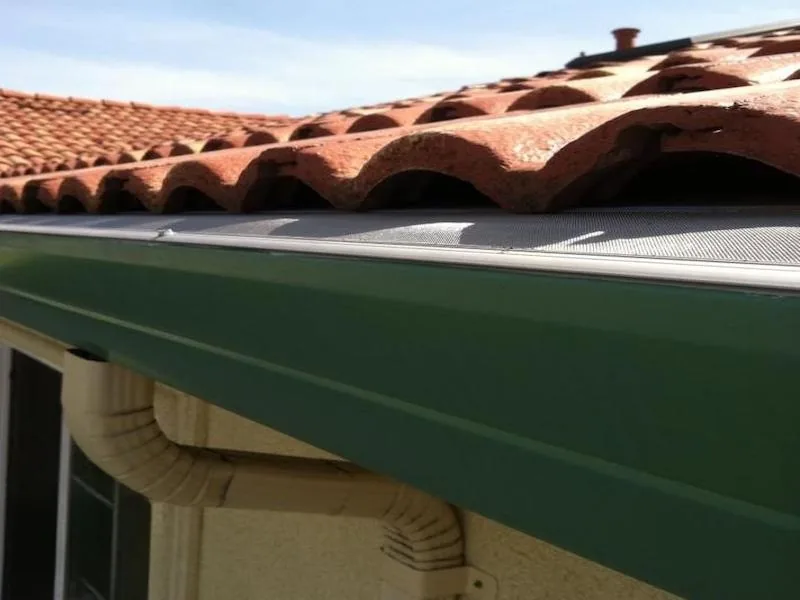
Gutter cleaning in Indianapolis, IN is a chore this region’s trees make nearly constant, but the right gutter guard makes it largely obsolete. Between the hardwood canopy’s heavy fall drop and spring’s maple samaras and elm seed, gutters here fill fast, and the cold, wet winters and spring thunderstorms turn any buildup into overflow, ice, and standing water. A fitted stainless-steel micro-mesh guard keeps the debris out of the rain gutter in the first place, so you stop hauling out the ladder twice a year and start spending those weekends on anything else.
Why Indianapolis Gutters Fill So Fast
The Indianapolis metro sits under a mature hardwood canopy dominated by sugar and silver maple, red and white oak, American elm, sycamore, and tulip poplar, Indiana’s state tree. That means two big debris events every year. In fall, leaves drop in a heavy, continuous layer through October and November. In spring, winged maple samaras and fine elm seed and catkins spin down and stick to every wet surface, slipping past slotted covers and wedging into downspouts. The emerald ash borer has thinned the region’s ash trees, but maple and oak remain the primary gutter-clogging litter sources, and they shed more than enough to keep a bare gutter busy.
Winter and spring only make it worse. Freeze-thaw cycles and freezing rain turn whatever is already sitting in the gutter into a frozen, expanding mass that pushes against the rain gutter and the fascia. When spring’s severe thunderstorms arrive with hail and high winds, they dump a season’s worth of rain onto a gutter that May still be half-packed with last fall’s leaves. The result is overflow at the eave and water running where it should never go.
The Real Risks of a Clogged Gutter
A full gutter is not just an eyesore, it is a slow-moving threat to the home:
- Fascia and soffit rot. Water trapped against the wood behind the gutter rots the boards that hold the gutter up.
- Foundation and basement problems. Overflow spilling down the wall saturates the soil at the foundation, and heavy storm runoff needs a clear path away from the house.
- Ice dams. In a cold, wet winter, a clogged gutter freezes solid and backs water up under the shingles.
- Standing water and pests. A clogged gutter holds stagnant water that breeds mosquitoes and draws pests to the roofline.
Storm runoff is the most serious of these. When a gutter cannot carry water away, the overflow pours down the walls and pools at the foundation, and the National Weather Service’s flood safety guidance makes clear that even localized runoff and poor drainage can put a home’s lower level at risk during heavy rain. A clear gutter is the first line of defense between a storm and your basement.
What Gutter Cleaning Actually Costs
Paying for professional cleaning or doing it yourself both add up. Professional cleanings are billed per visit, and in a market with a heavy fall leaf drop and a messy spring, two visits a year is the realistic minimum: every year, for as long as you own the home. Doing it yourself means ladders, gloves, and real risk: every trip up the ladder carries the chance of a fall, and a ladder propped against a frozen or leaf-slick eave in November or March is not the place anyone wants to be. Spread those costs and risks over a decade, and the math on a one-time gutter guard install starts to look very different.
Professional gutter cleaning is priced per visit, and the rate varies by market. Nationally, cleaning runs roughly $225 to $500 per visit, based on published 2026 industry cost surveys, driven by the size and height of the home, how accessible the roofline is, and how much debris has built up. Those are rates local cleaning companies quote, not a GutterDome price, so confirm the figure for your own market. Because that bill returns every year, the recurring total is the number worth comparing against a one-time guard installation.
How Gutter Guards Change the Equation
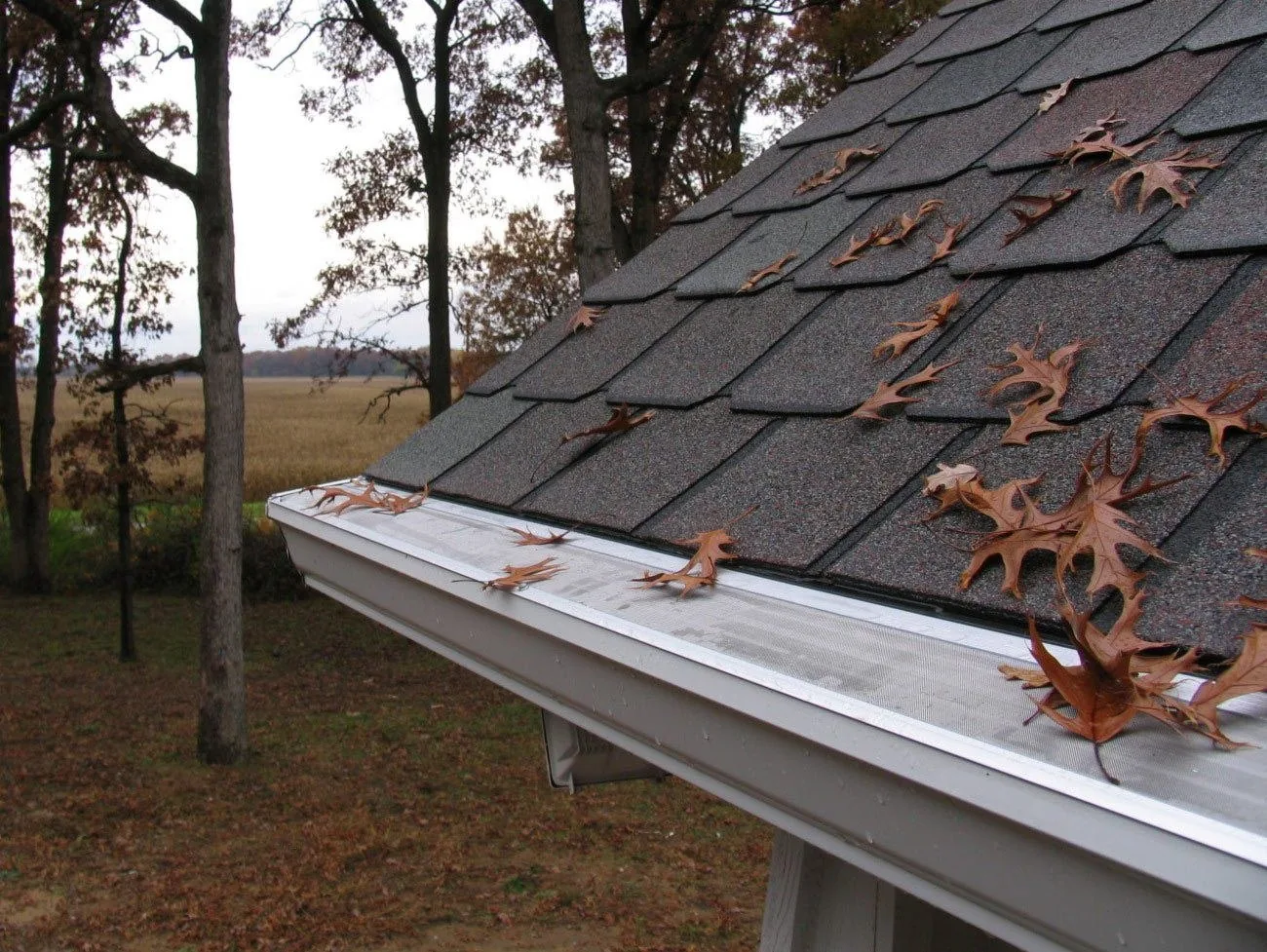
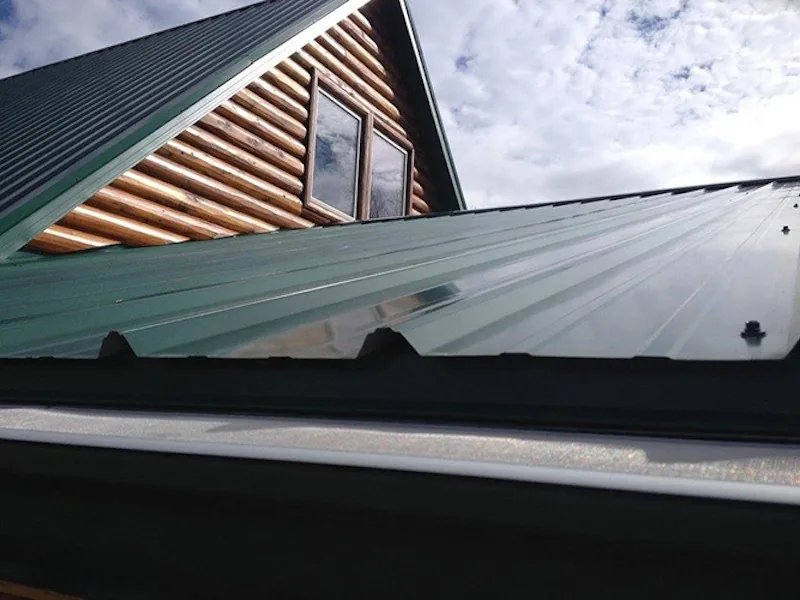
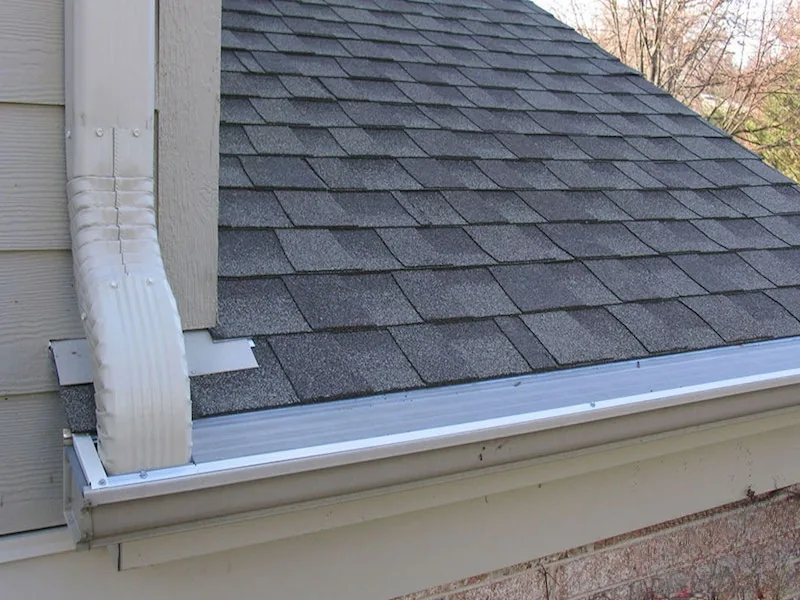
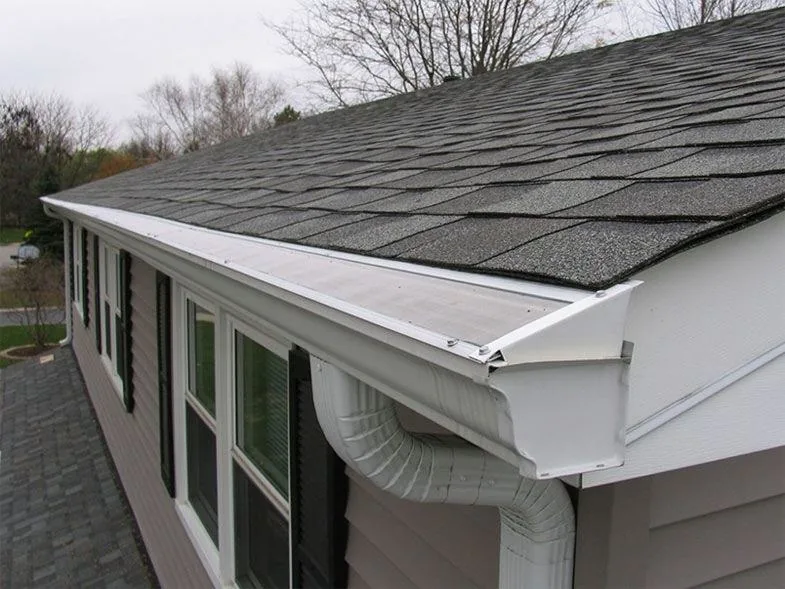
A properly fitted gutter guard stops the debris at the top of the gutter, where it dries out and blows away: it never enters the rain gutter to pack down, freeze, or rot. GutterDome builds seven systems to match any Indianapolis roofline and tree condition:
- GutterDome (GD45): 40-mesh, 1,600 holes per square inch (400-micron openings), 6-1/8″ wide. Our flagship for standard 4" - 5" gutters. Backed by our 30-Year Lifetime Limited Warranty, which covers every aluminum style and is automatically transferable one time to the next owner (the GutterDome uPVC frame carries a 20-year warranty).
- GutterDome Magma (GD45M): 20-mesh, 400 holes per square inch (842-micron openings), 6-1/8″ wide. A high-flow guard engineered for inside miters, simulated miters, and high-water-flow areas, with an aftermarket integrated heat-trace cable option for ice-prone spots.
- GutterDome Adjustable (GD45A): 40-mesh, 1,600 holes per square inch (400-micron openings), 5-1/8″ wide. For steep roofs above a 6/12 pitch, with our private-labeled Clynch Channel fastening system.
- GutterDome Adjustable Magma (GD45AM): 20-mesh, 400 holes per square inch (842-micron openings), 5-1/8″ wide. The same #20 GutterDome Magma mesh on the GutterDome Adjustable profile, for pitches above a 6/12, with an aftermarket integrated heat-trace cable option for ice-prone spots.
- GutterDome (GD67): 40-mesh, 1,600 holes per square inch (400-micron openings), 7-1/2″ wide. The same 40-mesh protection for larger 6" - 7" gutters on newer homes and commercial buildings.
- GutterDome Magma (GD67M): 20-mesh, 400 holes per square inch (842-micron openings), 7-1/2″ wide. Magma's superior water-shedding design for larger 6" - 7" gutters, with a cold-weather rating and an aftermarket integrated heat-trace cable option for ice-prone spots.
- GutterDome uPVC (GD45P): #30 plain weave T304 surgical-grade stainless-steel wire mesh (900 holes per square inch, 595 microns). A multi-patented white uPVC dome, 20-year silicone sealant, and a 20-Year Lifetime Limited Warranty.
Ready to find the right gutter guard for your Indianapolis home? Contact your local GutterDome Dealer today for a free, no-obligation estimate.
What to Look for in a Gutter Guard for This Climate
Not every guard survives an Indianapolis year. Look for stainless-steel wire mesh rather than painted or galvanized screen, because the freeze-thaw cycles and freezing rain here rust cheaper metals within a few seasons. Look for a rigid extruded aluminum frame that will not sag or lift under spring hail and high winds. And look for mesh fine enough to stop maple samaras and elm seed, the small, sticky debris that passes right through slotted shields and starts the next clog. A guard that meets all three turns gutter cleaning from a twice-yearly obligation into an occasional light rinse.
For the full lineup and how each model fits different rooflines, see our guide to the best gutter guards for Indianapolis, IN homeowners.
What Marion County’s Housing Stock Means for the Gutter
59.0% of Marion County owner-occupied homes were built before 1980 (ACS 2024 five-year, table B25036), in the upper half of the forty markets we cover. The median home value here is $224,000, and 56.5% of those homes are owner-occupied. For a gutter that means an older-stock market: a large share of the runs are original or first-replacement, so the visit usually starts with hangers and pitch before any guard is quoted.
Communities We Serve Across the Indianapolis Area
Local GutterDome Dealers cover the Indianapolis area, including Anderson, Avon, Brownsburg, Carmel, Fishers, Franklin, Greenfield, Greenwood, Indianapolis, Lebanon, Martinsville, Noblesville, Plainfield, Shelbyville, Westfield and Zionsville. See the full service area and Dealer coverage on our Indianapolis gutter services page.
Frequently Asked Questions
Q: How many times a year should Indianapolis, IN gutters be cleaned?
A: Without guards, most homes here need cleaning at least twice a year, after the fall leaf drop and again after spring’s samaras and seed. With a fitted micro-mesh guard, a light rinse is usually all that is ever needed.
Q: Do gutter guards really eliminate cleaning?
A: They make routine cleaning largely obsolete. Debris sheds off the top of the mesh and blows away, so the rain gutter stays clear of the leaves and seed that would otherwise pack in and freeze.
Q: Can a clogged gutter damage my foundation?
A: Yes. Overflow spilling down the wall saturates the soil at the foundation, and heavy storm runoff with no clear path can find its way into the basement or crawl space.
Q: Do gutter guards hold up to Indianapolis winters?
A: GutterDome guards are built from surgical-grade stainless steel and extruded aluminum, so they handle freeze-thaw cycles, freezing rain, and ice without rusting or warping.
Trade the ladder for a one-time fix.