Gutter Materials Compared: Aluminum, Copper, Steel and Vinyl
Four rain gutter materials are in common use across North America: aluminum, steel, copper and vinyl. What your gutters are made of decides how the channel behaves in heat, cold and hail, how it gets repaired, and what a gutter guard has to sit on.
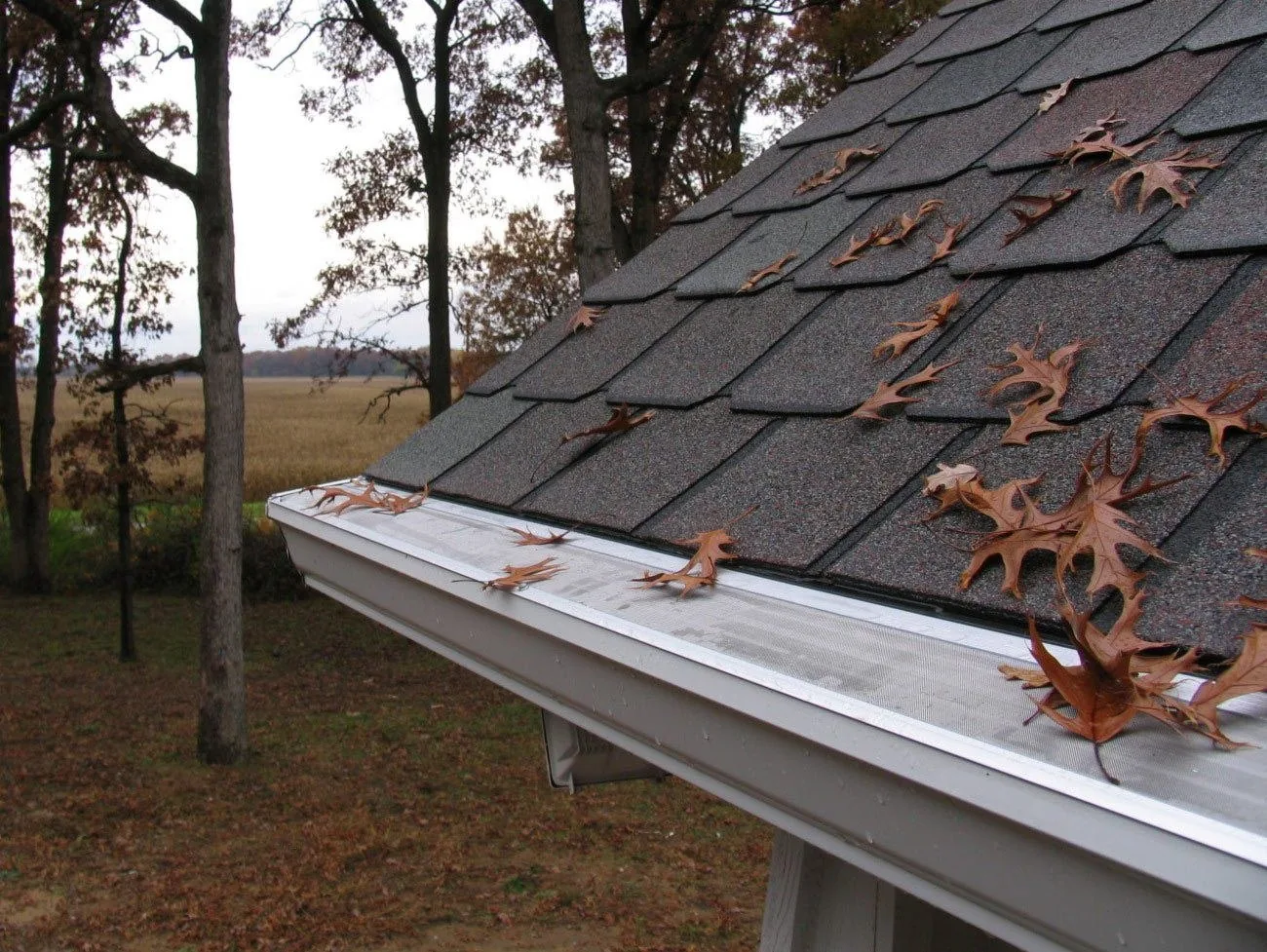
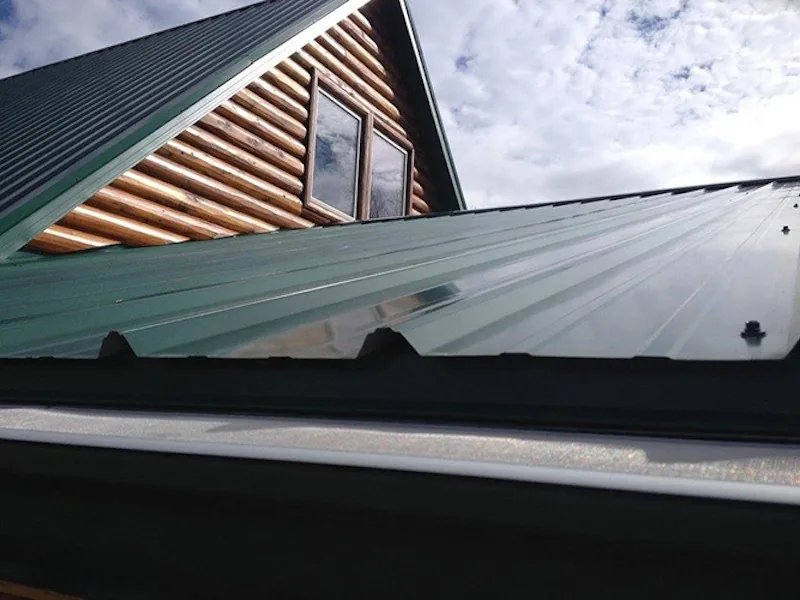
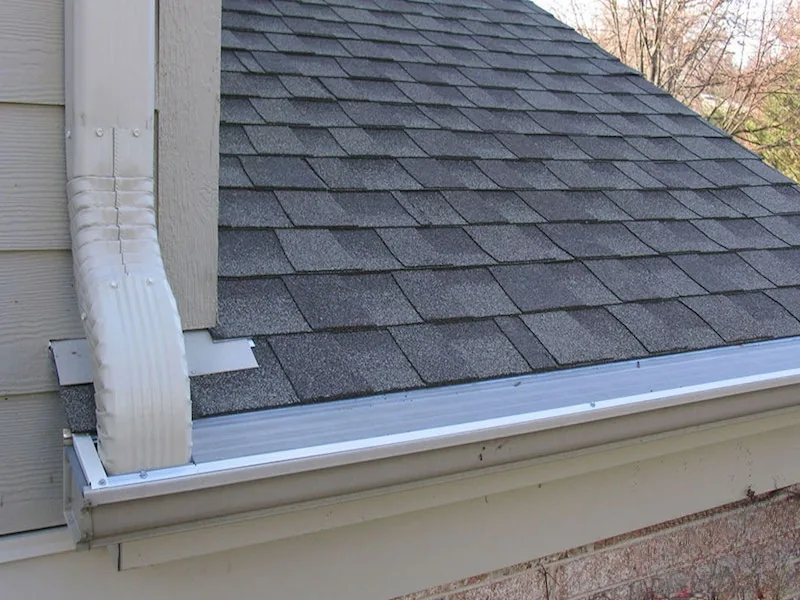
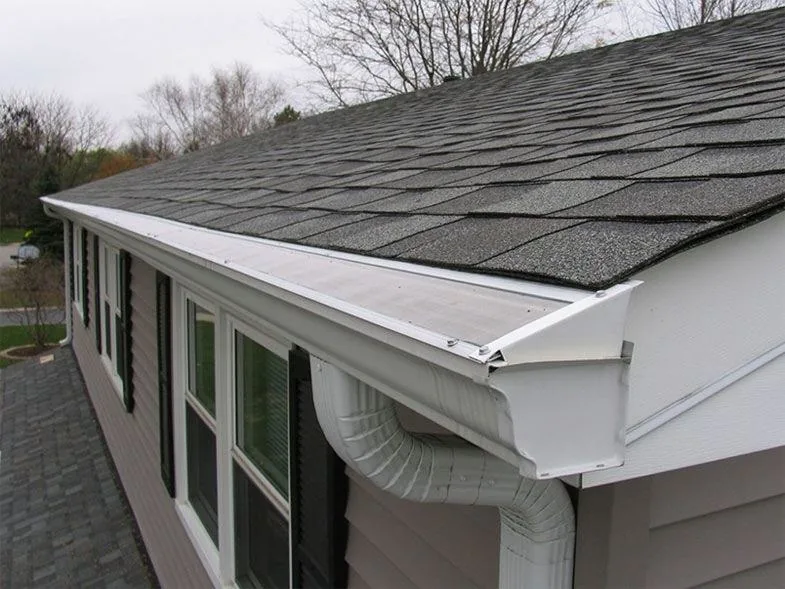
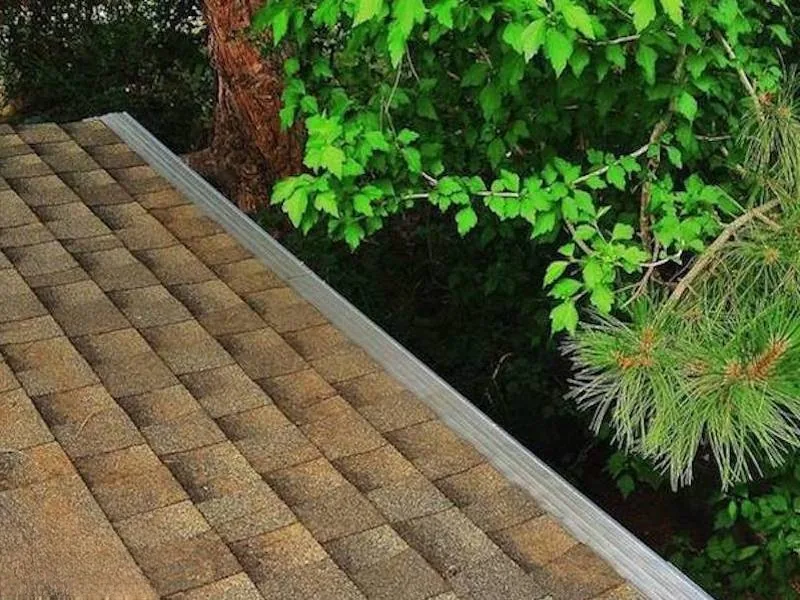
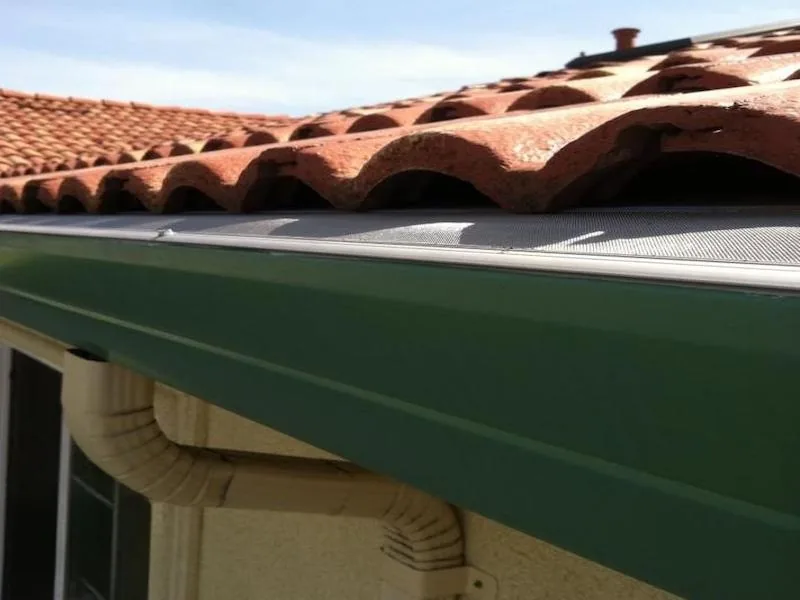
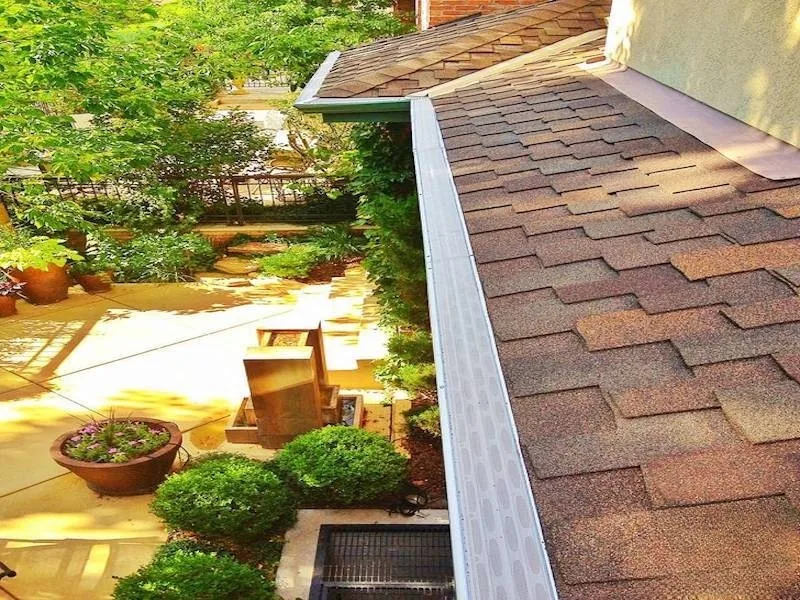
One distinction up front, because most material pages blur it. The rain gutter is the channel that carries water. A gutter guard is the appliance that sits on top of it. This page is about the material of the channel itself; the guard enters it only where fitment depends on what your gutters are made of. A guard retrofits onto aluminum, copper, galvanized steel, plastic, stainless steel, vinyl and wood gutters, which is why the material you already own is rarely the reason a guard cannot go on.
We are not a neutral marketplace and this page does not pretend to be one. The comparison below is honest, it says where our evidence stops, and at the end it states plainly which materials we build with and why.
How the Four Materials Compare
Cells marked † describe how a material behaves. They are not test results, not ratings and not a ranking: no comparative test between these materials exists on our file, so we publish none.
| Attribute | Aluminum | Copper | Steel | Vinyl |
|---|---|---|---|---|
| What it is | Formable metal, painted or anodized. The standard. † | Unpainted premium metal; patinas with age. † | Galvanized or painted; rusts where the coating breaks. † | Thermoplastic and sectional; will not rust. † |
| Weight | Light; long runs, no joints. | Heaviest of the four. † | Heavier and stiffer than aluminum. † | Lightest of the four. † |
| Maintenance | Rinse the surface; keep outlets clear. | No finish to keep; the color shifts as it patinates. † | The coating is everything: once breached, it rusts. † | No coating to fail, and no rust. † |
| Repairability | Dents rather than cracks; a dent can be worked out. † | No color match needed; the patina is the variable. † | A scratch re-exposes steel; coating and shape both. † | No field repair; a cracked section is replaced. |
| Finish and color | Widest range: paint or clear anodize. | One metal color, changing with age. † | Metallic galvanized, or factory paint. † | Color runs through the material. † |
† Behavior characteristic, not a tested result, rating or ranking: no comparative test between these materials exists on our file, so we publish no service-life figure, no impact or hail rating, no head-to-head result and no market price table. Where a cell gives no figure, we hold no source for one and publish none. If another page hands you all four of those for all four materials, ask for the source.
The other materials you will meet on older and specialist homes are zinc, wood and stainless steel. We hold no sourced figures for any of the three, so they sit outside this comparison rather than inside it.
Aluminum
Aluminum is the standard gutter material for seamless gutters across North America, and the reasons are properties rather than marketing: it does not rust the way uncoated steel does, it forms into long continuous runs on site, and it takes a paint or anodize finish in a range wide enough to match your trim. Because a seamless run is formed as one piece, there are no lengthwise joints to caulk and re-caulk, which is the single biggest maintenance difference between seamless and sectional gutters.
Its limits are just as plain. It dents under a ladder, a limb or a badly placed bin, and long runs move with temperature. Neither is unusual for sheet metal, and both are why a guard has to be fastened properly rather than laid on top: a guard that sits loose on a moving run will walk out of line and let water pass behind it.
Copper
Copper is the premium metal of the four and the one with the most history. It is common on historic homes, it is never painted, and it changes color as it weathers: bright copper running to a green-brown patina. That change is the aesthetic rather than a defect, and it is why copper rooflines and copper gutters get chosen deliberately.
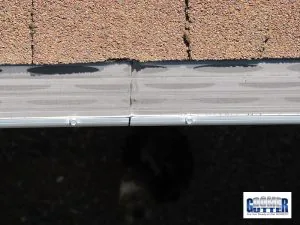
It is also the material we have the least to say about commercially. No copper price exists anywhere in our copy, and we hold no sourced lifespan, thickness or weight figure for it. What we can state is fitment: a GutterDome guard installs on a copper gutter the same way it installs on aluminum: it fastens to the front lip with three Stalgard-coated self-drilling screws, so the gutter material does not have to match anything we build.
Steel: Galvanized
Steel gutters are ferrous, and that is the whole story. Galvanized steel carries a zinc coating; painted steel carries a finish on top of that. While the coating is intact the steel underneath is protected. Where it is cut, scratched or worn through, the steel is exposed and rusts, and rust creeps under the coating from a breach, so a steel gutter’s condition is read from its coating, not from its shape.
Steel is not only a rival material on this page, and that deserves one sentence: every GutterDome guard wears a T304 stainless-steel micro-mesh, so we build a stainless surface on every model we sell. What we do not build is a steel gutter, and we hold no sourced lifespan, thickness or coating-life figure for one, so we state none.
Vinyl
A vinyl gutter is thermoplastic. It is extruded in lengths and joined on site, it will not rust, and its color runs through the material rather than sitting on the surface. It moves with temperature, as any polymer does, and it is lighter than any of the three metals above. Its sections meet at joints, and joints are where a channel has to be watched.
GutterDome uPVC is not a fifth material. It is the same polymer family, rigidized, and on a roofline the two names describe the same thing; a page that lists vinyl and uPVC as two different gutter materials is padding its list. Where uPVC does earn its own line on this site is as a guard frame, not as a gutter, and that belongs in the fitment section below rather than in a materials comparison.
The Ten Types of Rain Gutters
Material is one axis; shape and position are the other two. These are the ten names you will meet, and what each one actually is.
- K-Style - a flat back with a decorative front face, shaped so the gutter reads as part of the trim. It is the most common residential profile in North America, and most sectional and seamless systems are K-style.
- Half-Round - a semicircular channel. Common on older and heritage homes, and on copper and cast-iron rooflines, where its simple curve is part of the look.
- Box - a flat bottom with vertical sides. A straighter, more architectural line than K-style, and it carries more water for its width, which is why it turns up on larger roofs and modern construction.
- Fascia - a profile that fits to the fascia board itself where a roof has little or no overhang, so the gutter face forms the visible edge of the roofline.
- Seamless - a method rather than a shape: the gutter is formed on site to the length of the run, so there are no lengthwise joints to open or leak. Any of the profiles above can be installed seamless.
- Eaves - the run along the eave, the lower edge of the roof. In most of the country this is simply what “gutter” means; the shape you see is whatever the house was built with.
- Valley - a channel where two roof planes meet. It takes the concentrated flow from both planes and hands it to the eaves gutter below, which is why valleys are the first place a roof leaks when something blocks them.
- Parapet - a run set behind or through a parapet wall, used on flat and low-slope roofs where there is no eave to hang a gutter from; outlets pass through the wall.
- Rhône - the Scottish name for an eaves gutter, not a separate profile.
- Dripster - an older trade word for the gutter itself, the same kind of word as guttering or eaves channel. Also not a separate profile.
Two of those ten are names rather than shapes: Rhône and Dripster describe the same channel under regional and trade wording, not a different product. We list them because they appear in spec sheets and searches, and leaving them out would send you looking for a profile that does not exist.
What Rain Gutters Cost
Material pages usually answer this with a table of per-foot ranges and no citation behind any of them. We are not going to add to that. This page quotes no install price at all, because the number that matters for a gutter is the one measured on your house, not a national average printed on a web page.
For the gutters themselves (aluminum, steel, vinyl, copper) we publish no per-foot price, because we hold no sourced figure we would stand behind for any of them. A gutter is priced by gauge, coating, run length, stories and access, and your Dealer puts that number in writing after measuring the run. A per-foot quote given before anyone has seen the house is a guess with a dollar sign on it. If you want the real number for your own roofline, book a free gutter inspection and a no-obligation estimate and the Dealer will measure the run and write it down.
Which GutterDome Fits Which Material
Every model retrofits onto aluminum, copper, galvanized steel, plastic, stainless steel, vinyl and wood gutters, in 4- to 5" or 6- to 7-inch widths. Pick by roof and climate:
- The GutterDome (GD45 & GD67) is the standard: 6-1/8 inches wide for 4- to 5" gutters, 7-1/2 inches for 6- to 7-inch runs on larger roofs.
- The GutterDome Adjustable (GD45A) is for roof pitches above a 6/12, and for installs where the guard has to sit clear of the roofing material.
- The GutterDome Magma (GD45M, GD67M & GD45AM) is the open #20 weave for high water flow and cold climates, with an optional aftermarket integrated heat-trace cable for de-icing.
- The uPVC (GD45P) is the corrosion-proof white profile for coastal and humid environments.
The full product range covers all six styles, and the guard systems overview explains what the guard does to water once it is on the roof edge. If you are still deciding whether a guard is the right first step, our seamless gutters guide covers the gutter side of the question.
Frequently Asked Questions
Q: Aluminum vs vinyl gutters: which one should I choose?
A: For a seamless gutter, aluminum is the standard: it will not rust the way uncoated steel does, and it forms into long runs on site with no lengthwise joints. A vinyl gutter will not rust either, but it is sectional by nature, so its joins are the places to watch. We do not publish a head-to-head result because no comparative test exists on our file. Whichever you have, a GutterDome guard fits it.
Q: Is a steel gutter better than an aluminum one?
A: That depends on the coating and the climate, and we are not going to score it. Steel is heavier and stiffer at equal gauge, and it rusts where its coating is breached; aluminum does not rust and dents more readily. Note that steel is part of what we build (every GutterDome model wears a T304 stainless-steel mesh); we simply do not make a steel gutter.
Q: Can a gutter guard be installed on copper gutters?
A: Yes. Copper is one of the seven gutter materials on our fitment list, and the guard fastens to the front lip with three coated self-drilling screws, so nothing has to match the copper itself. We publish no copper price and no copper performance figures.
Ready for a number on your own roofline?